
After Five Hundred Years of Rain, the Sky Clears at Last: Thoughts on the Murasame Route of Senren*Banka
After finishing the Murasame route of Senren*Banka: a sword spirit who kept watch for five hundred years, the line "I'll cut your every worry down where it stands," and how a being who was no longer human won back a human happiness.
Table of contents
It was sometime in 2024. A friend who adored Nakano Ichika asked me to gift him a Galgame, and the one he named was precisely Senren*Banka. It was the first time I had ever heard of the genre—though by then I had already spent a month or two with yuri visual novels, so it did not feel all that foreign to me. And so I bought Senren*Banka for myself as well.
Before I opened it, I had always assumed I would only ever be drawn to yuri. Yet the moment I actually started the game, on little more than a whim, everything changed.
In a Town Hidden Among the Mountains
Senren*Banka is set in a small town called Hoori—ringed by mountains, long cut off from the outside world, and still steeped in tradition and faith in its local gods. The town’s main shrine enshrines a holy sword named Murasamemaru, and the protagonist, Arichi Masaomi, happens to be the one who draws it.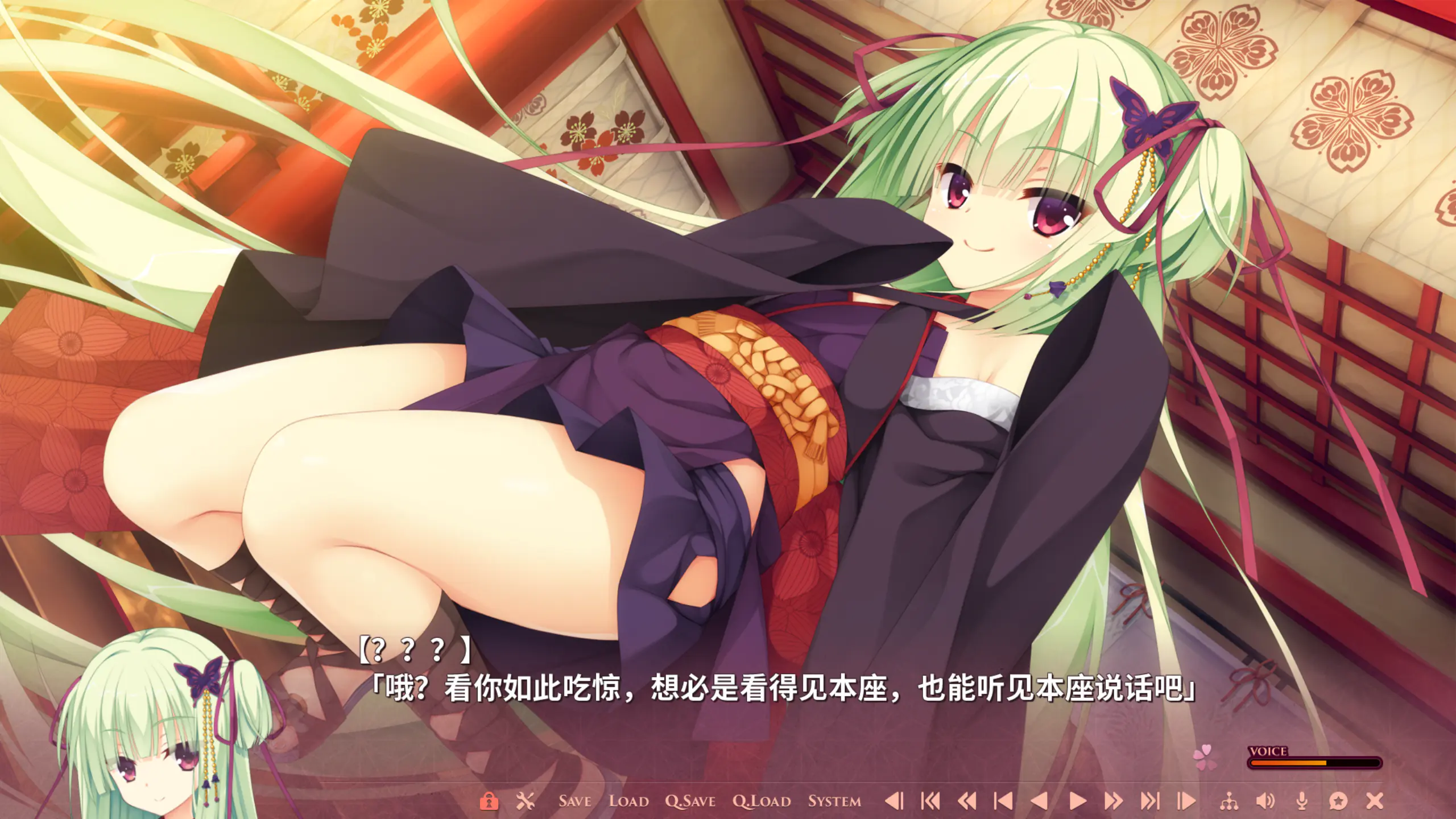
This is my first meeting with her. As the holy sword leaves its scabbard, a tiny girl speaking in the stiff, archaic cadence of a bygone age appears out of nowhere and gives Masaomi a real fright. She is Murasame, the spirit and keeper of the holy sword Murasamemaru. Five hundred years ago she became its guardian as a sacrificial offering, and ever since she has quietly watched over the land of Hoori. Now she acknowledges Masaomi, the one who drew the blade, as her master. The further the story went, the less I could pull my eyes away from her.
The One Who Could See Her, and Touch Her
Murasame’s situation hides a very deep loneliness.
She has existed for five hundred years in a form much like a ghost’s, though she flatly refuses to be called one; ordinary people can neither see her nor touch her. Only those who carry the blood of the Asamu family—Yoshino and Mako—can see her, while Lena, from long contact with the sword’s fragments, can barely make her out. Masaomi alone can both see her and truly touch her, because he once breathed in a fragment and was, on top of that, chosen by Murasamemaru itself. When he first reached out and actually felt “something hard, something undeniably there,” Murasame, beneath her surprise, was a little embarrassed.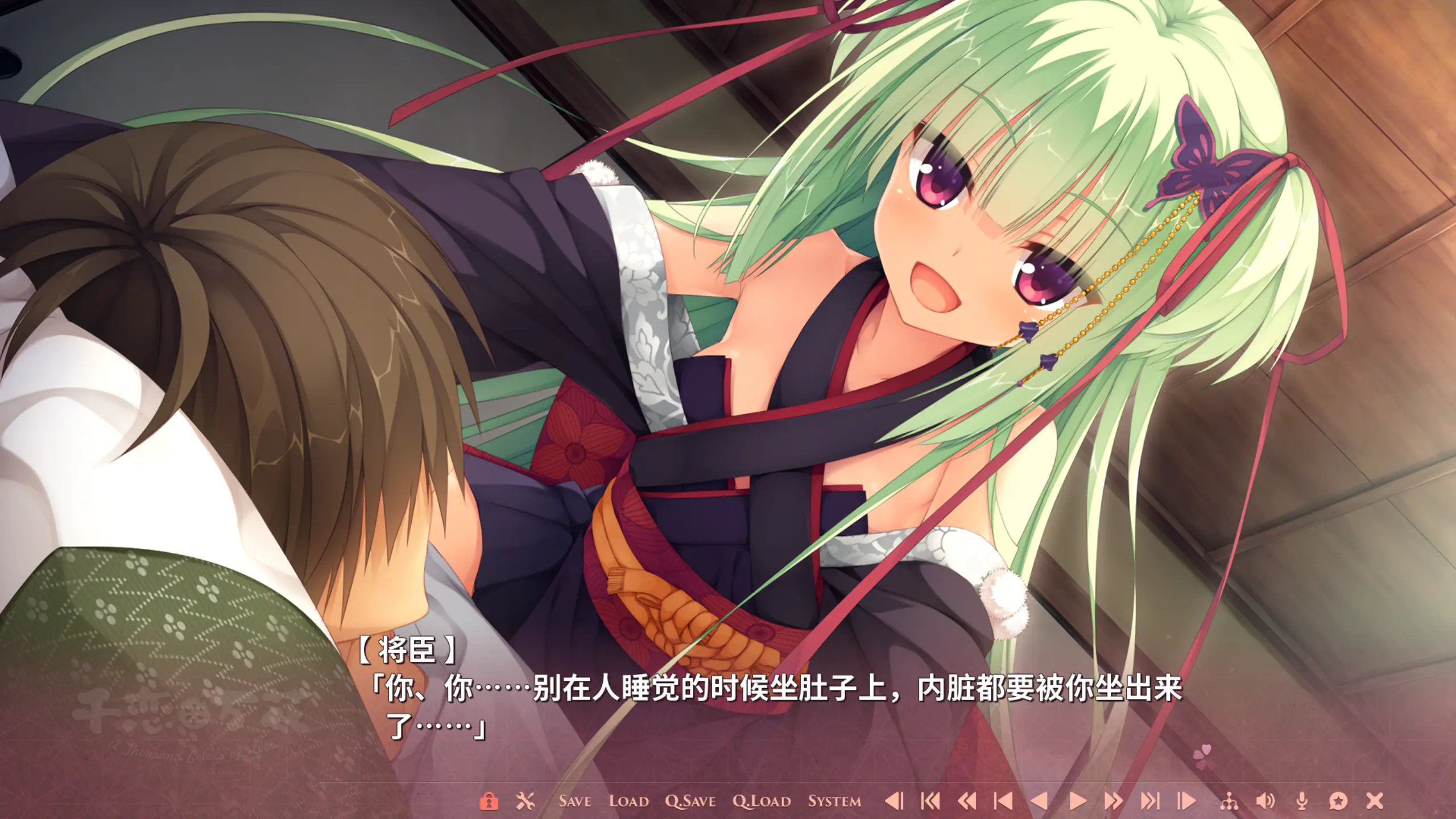
After becoming her master, every one of Masaomi’s days had her in it. In the morning she would rouse him by plopping herself down on top of him; by day the two of them would run all over town, dealing with the uncanny things that ordinary people can neither see nor handle.
I’m especially fond of the small tendernesses along this route. Murasame has no body—she cannot eat, cannot bathe—yet she can feel the presence of spiritual energy, so the sake offered to the gods and the hot springs steeped in such energy bring her real comfort. She asks to have her head patted, and when that hand finally comes down, she shows a warmth and delight—something human—that she has not known in five centuries; she can even taste, through Masaomi’s senses, food she has not tasted in hundreds of years. There’s another contrast I love: the people of Hoori all address her with reverence as “Lady Murasame,” while Masaomi alone simply calls her “Murasame” or “little Rain.” To everyone else she is a guardian deity set high above; only with him is she treated as an ordinary girl, one who blushes and sulks and wheedles.
It is precisely these unremarkable moments that, little by little, thaw the word “loneliness” off of her.
A Spirit That Fears Ghosts
Murasame has more than enough charm, but the part that most makes me laugh is this: for all that she is a being who is not human, she herself is utterly terrified of ghosts.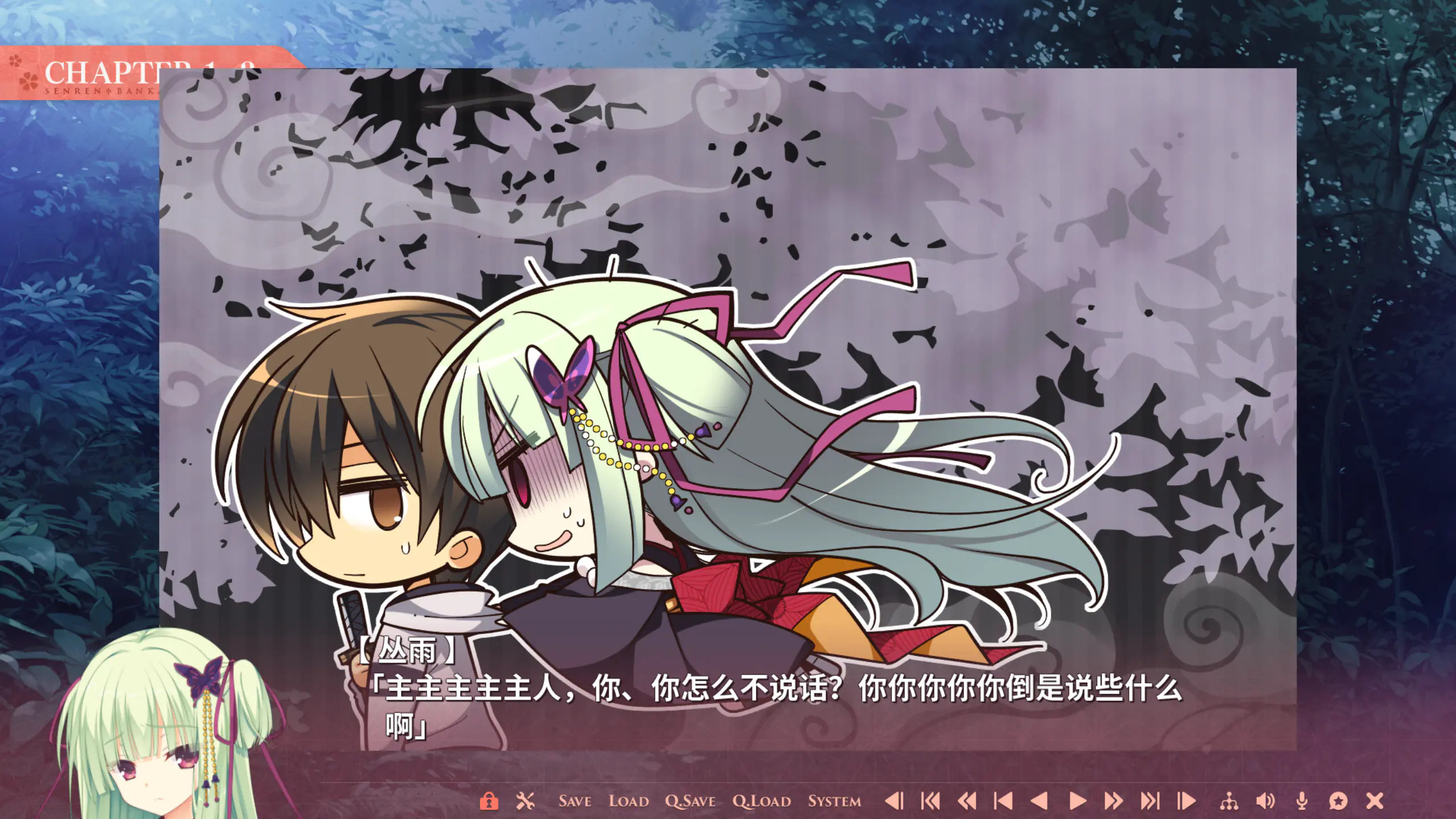
She is a sword spirit who has lived five hundred years, and yet, faced with actual ghosts and apparitions, she goes to pieces. On the mountain path to an exorcism, she pressed herself tight against Masaomi’s back because she was afraid of the dark, and sang the old folk song “Bird in a Cage” to steel her nerves—“Cage, oh cage, little bird within the cage, when, oh when will you fly free.” Meant to chase off the fear, the melody only made the air more eerie, until she was the first to start shivering.
Far from feeling out of place, that contrast makes her “I’m the greatest” bravado all the more endearing. She puts on five hundred years of airs, but at heart she is a girl who frightens, frets, and wheedles. And it is exactly these little cracks that turn her from a concept out of legend into a living, breathing person—someone you find yourself wanting to protect.
“I’ll Cut Your Every Worry Down Where It Stands”
As they grew closer, the two of them finally crossed the line between friends and lovers. Of everything along the way, the line I remember most is Murasame’s—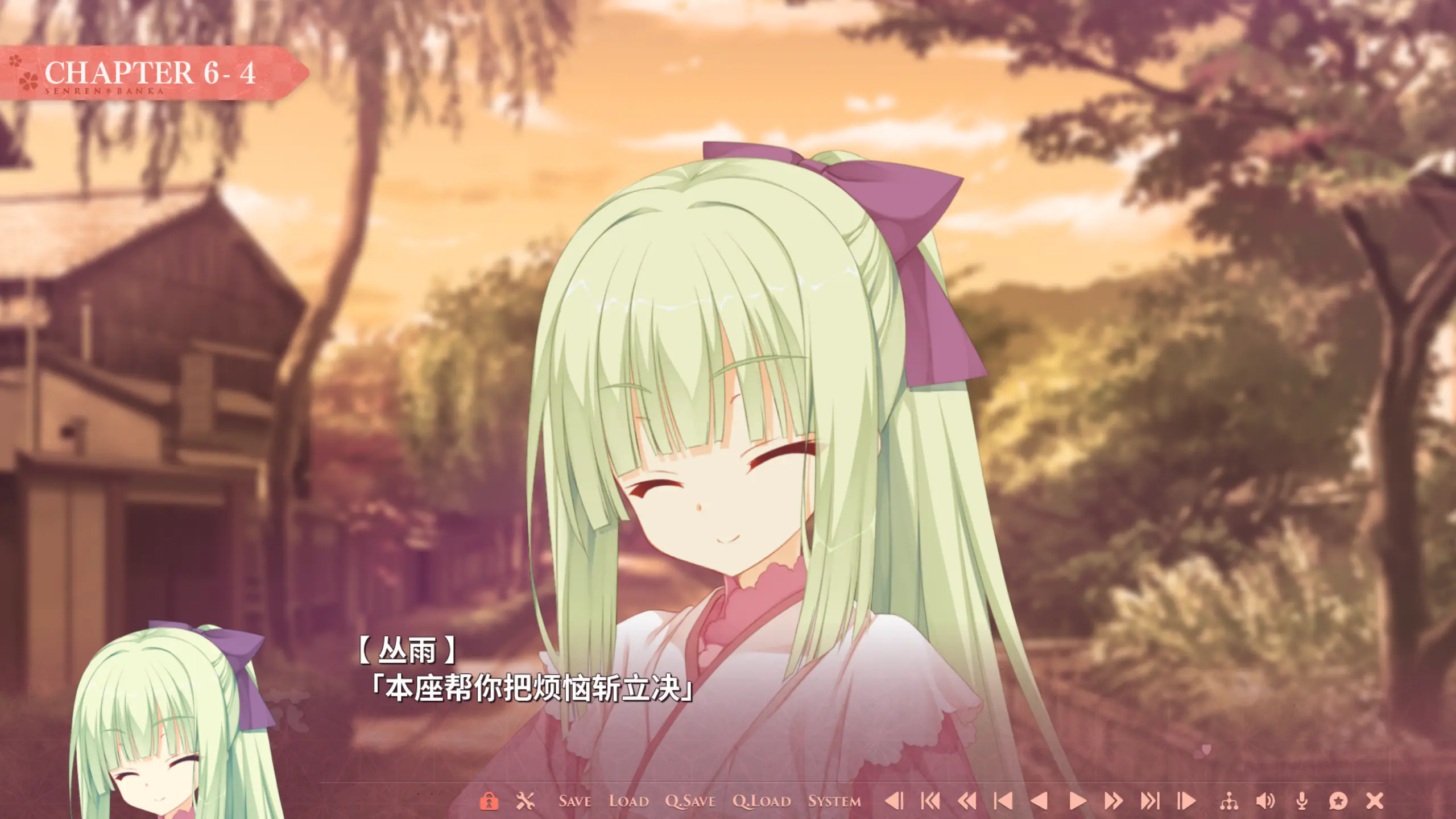
“I shall cut your every worry down where it stands.”
The first time I heard it, I only thought it was a clever, very Murasame thing to say. But as the years have gone on, with graduation approaching and the tangled worries I’ll have to face alone, I find I can weigh that line far better now. If only someone really could cut down every last one of my troubles where it stands—I sometimes can’t help thinking.
And what makes the line moving is not that it can actually cut anything down. It moves me because someone is willing to grip a blade and stand in front of you, telling you to leave the rest to them. She may not be able to shoulder all of your hardships, but she lets you be certain that, whatever comes next, you will no longer face it alone.
The Girl Named Aya, and Her Five-Hundred-Year Duty
The further the story went, the clearer Murasame’s origins became—and the truth was more moving than I had imagined.
After one banquet, Masaomi came upon her weeping alone outside, gazing up at the moon, and only then learned that before she became a sword spirit she too had once been a human girl with a name of her own: she was called Aya. More wrenching still, the “sacred body” hidden away in the shrine turned out to be her own human body, preserved intact to this day. Long ago she had fallen gravely ill with pneumonia—all but incurable in that era—and so, as a sacrificial offering, she let her soul take up residence in Murasamemaru and became the sword spirit guarding this land. That vigil lasted more than five hundred years.
Once he understood all of this, Masaomi only wished more and more to make her truly human again. Mercifully, the disease that had once been a death sentence holds no terror before today’s medicine; and the real turning point came when Hoori decided to revive the dedication rite that had lapsed after the holy sword was drawn. To return Murasamemaru to the sacred rock with his own hands, Masaomi sought out his grandfather once more and threw himself into near-demonic swordsmanship training. At last, on the day of the rite, he carried it out flawlessly and set the holy sword back in its place. Murasamemaru offered its praise and blessing to its master and to the one it had housed—and Murasame, too, finally laid down the duty she had borne for over five hundred years, and became, completely and at last, a whole human being.
From “Master” to “Husband”
Having regained her human body, Murasame was taken in as an adopted daughter of the shrine family and, under a new surname, walked into everyone’s classroom to begin the school life she had been five hundred years late for.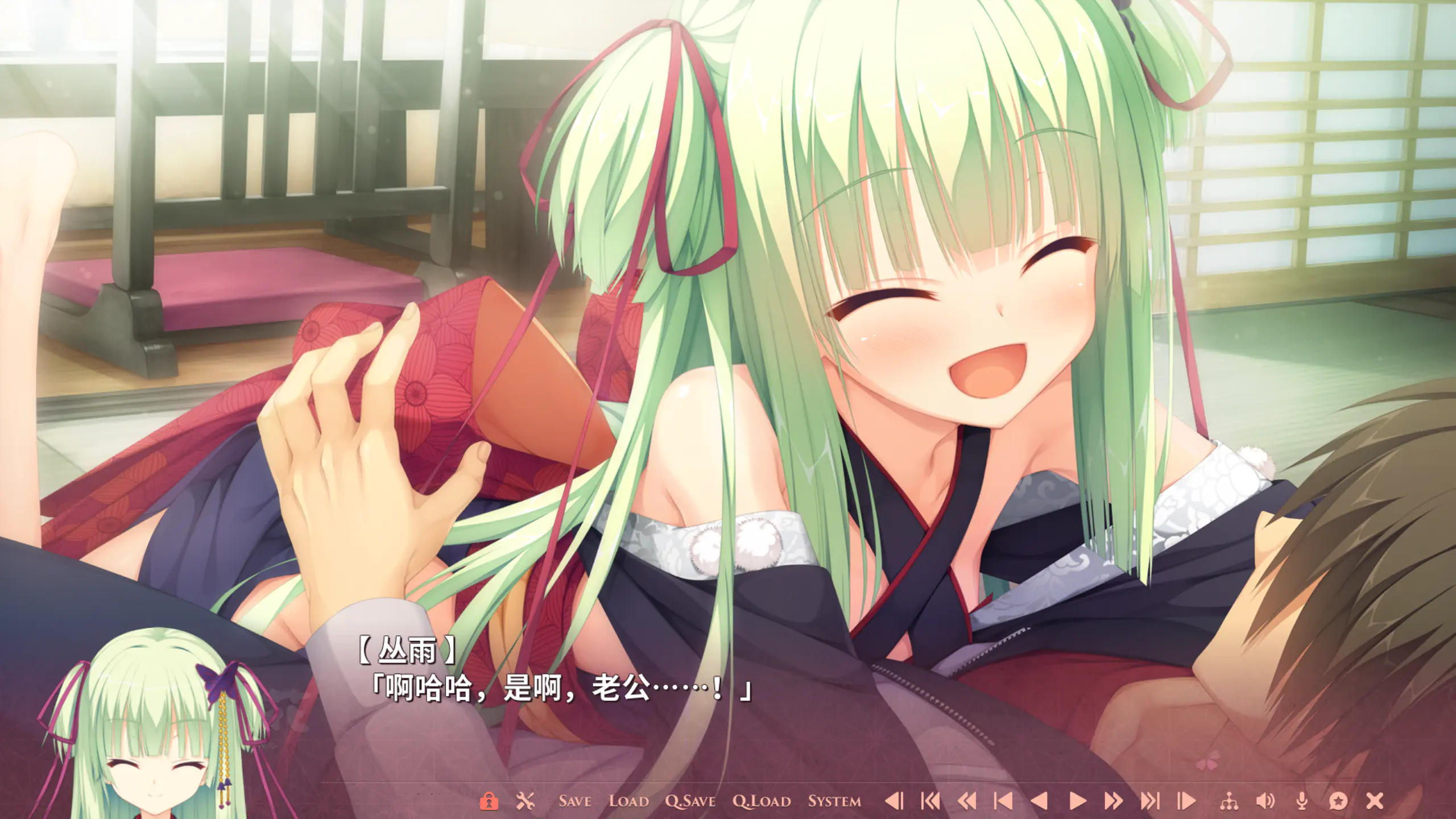
And what warmed my heart most is the ending that gathers up all that long waiting: Masaomi invited his own parents to Hoori, and there, before them both, he solemnly proposed to Murasame—and received everyone’s blessing.
There’s a tender detail tucked in here. Murasame has always called Masaomi her “master”—goshujin-sama. And in Japanese, that very word, shujin, is also what a wife calls her husband. So the same form of address, from “master” to “husband,” quietly deepens by a single degree. The “master” she had called out as a sacrificial offering for five hundred years could, at last and by every right, be called “husband” instead.
Five Hundred Years of Rain, and a Sky That Finally Clears
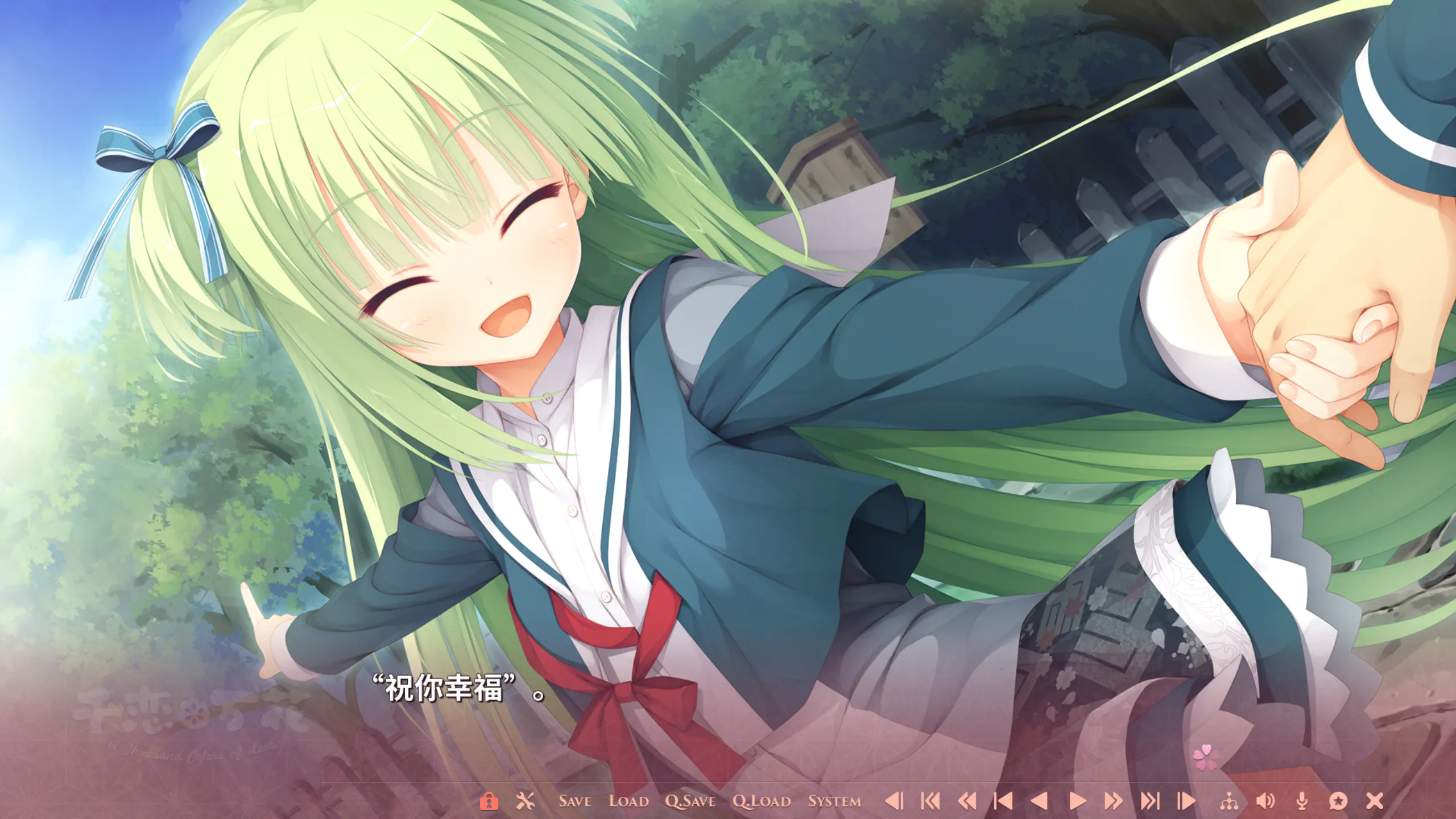
At the story’s close, this deity who had given up her humanity and kept her vigil alone for more than five hundred years finally won back the happiness of an ordinary girl. Reaching that point, I couldn’t help but be moved to the core.
I love the feeling this ending leaves behind. Murasame’s wait was so long—long enough that one might have taken it for nothing more than the dying ember of an obsession. And yet the work refuses to leave her stranded forever in waiting and solitude. Five hundred years of loneliness are answered at last, and the belated spring duly falls. She who once believed she could only watch over others’ happiness from afar becomes, in the end, the one fiercely protected, the one to whom a whole life is solemnly promised.
I later learned that her ending theme is titled “Two as One”—no longer a shadow standing alone, but a form and a shadow that finally have each other. Those words are about the best note this route could end on. On the cover of her character song, I’m told, the red flowers blooming at her side are spider lilies, whose flower language is “love without end.” Looking back now, that is at once a hint at her nature as a sword’s spirit and a gentle prophecy laid down early for this very ending.
Looking again at the title Senren*Banka, I feel it speaks of exactly this—that across five hundred years of time, and a wait stretched almost without end, the moment that person finally arrives, all the loneliness that came before is given its meaning.
That, I think, is what the Murasame route left with me.
Not a story about who can cut down every worry in the world, but about this: even after a wait of five hundred years, so long as there is finally someone beside you willing to draw a blade for you and to hold your hand as well, the road ahead is worth walking with all your strength.